
 California’s newest tribal gaming compact is generating plenty of discussion, but not because of a massive casino opening or a record-breaking investment. Instead, the attention centers on something missing from the agreement: direct revenue sharing with the state.
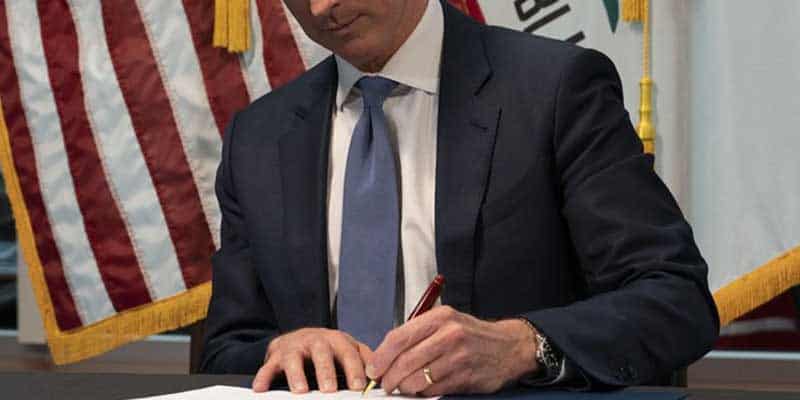
Governor Gavin Newsom recently signed a 25-year gaming compact with the Fort Mojave Indian Tribe that authorizes up to two Class III casinos on eligible trust land in San Bernardino County. Unlike many earlier agreements, however, the new compact does not require the tribe to contribute a percentage of casino gaming revenue to California’s general fund. Instead, the agreement focuses on reimbursing regulatory costs and requires a limited contribution to a local impact mitigation fund once gaming activity exceeds certain thresholds. However, the compact must still receive approval from the California Legislature and the U.S. Department of the Interior before taking effect.
Supporters argue the agreement better reflects modern federal and CA gambling laws governing tribal gaming, while critics believe California is surrendering a valuable long-term revenue source. The disagreement has quickly become one of the biggest tribal gaming stories of the summer because it touches on a larger question: what should states receive in exchange for granting exclusive gaming rights?
The debate isn’t simply about dollars. It also highlights the continuing evolution of tribal sovereignty, federal gaming law, and how future tribal-state negotiations may unfold across the country.
California Tribal Casinos Continue to Shape the Gaming Industry
California’s Indian casinos make up the largest tribal gaming market in the United States. More than 60 tribal casinos operate throughout the state, offering everything from slot machines and table games to hotels, entertainment venues, golf courses, and large convention facilities.
For decades, tribal casinos have become major economic engines for many Native American communities. Gaming revenue funds tribal governments, healthcare programs, housing initiatives, education, infrastructure improvements, and employment opportunities. At the same time, casinos have become significant tourism drivers for surrounding regions.
The Fort Mojave compact has attracted attention because it reflects how legal precedent has changed the negotiating landscape. Following the Ninth Circuit’s Rincon decision, states generally cannot require broad revenue-sharing payments unless tribes receive meaningful concessions in return. As a result, newer agreements increasingly focus on regulatory reimbursements and targeted local impact funding instead of directing casino revenue into state general funds.
Industry critics argue California has become too accommodating during compact negotiations. Some commercial gaming representatives contend the state is foregoing billions of dollars that could support public programs while tribal casinos continue expanding. Tribal advocates respond that tribal gaming was never intended to function as a state tax base and that casino revenue belongs primarily to tribal governments under the framework established by the Indian Gaming Regulatory Act (IGRA).
The Offshore Casino Option
While California continues to prohibit state-regulated online casino gaming, many adults choose internationally licensed offshore casino sites that accept eligible U.S. players. These operators function under licenses issued by gaming authorities outside the United States rather than California regulators.
The gambling sites we review at OnlineCaliforniaCasinos.com offer thousands of casino games, including online slots, blackjack, roulette, baccarat, craps, poker-style games, video poker, keno, scratch cards, and live dealer tables streamed from professional studios. Mobile compatibility has also become standard, allowing players to access full game libraries from smartphones and tablets without downloading dedicated applications in many cases.
Although offshore casinos remain separate from California’s tribal gaming system, they continue to serve as one of the few options available for Californians seeking real-money online casino games while the state’s policymakers remain focused on tribal gaming agreements rather than online casino legalization.